


As I drove home last night from a dinner with friends, the headlines crossed with the news that Israel had launched airstrikes against Iranian military sites in an effort to prevent the further development of Iranian nuclear weapon capabilities. As is typical when we have geopolitical upheaval, I rushed to check the market futures and, mostly, found what I expected. Stock futures were down. Oil futures were up. Gold was up. But US treasuries? They were flat. Why would that be?
Only at particular points in time can overall investor behavior be very predictable. A major geopolitical event, like surprise military action that could signal the outbreak of war, will almost always drive investors to herd toward the so-called safe havens; defensive investment vehicles that tend to respond positively to negative economic shocks.
Gold is the classic safe haven. If the full faith and credit of a particular currency issuer is called into question, the shiny relic is a go to. That goes for all currencies. And oil is sensitive to supply shocks when conflicts, particularly in the middle east, come into play. Typically, bonds respond positively to geopolitical shocks simply because they are historically non-correlated to stocks, in other words bonds go up when stocks go down.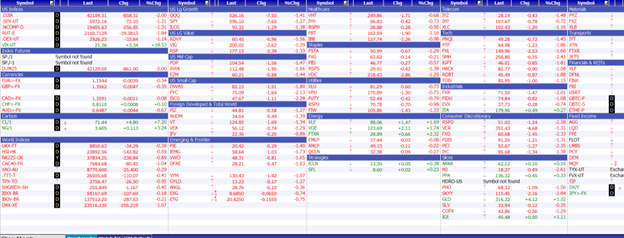
And in a geopolitical shock like this, with two countries lobbing missiles at each other, stocks certainly react negatively. Then investors turn to bonds and amongst all the bond options investors have to choose from, US treasuries have for decades been considered the “risk-free” asset. That doesn’t mean they don’t have any risk but they have been the standard for measuring how much other bonds might pay for being higher risk.
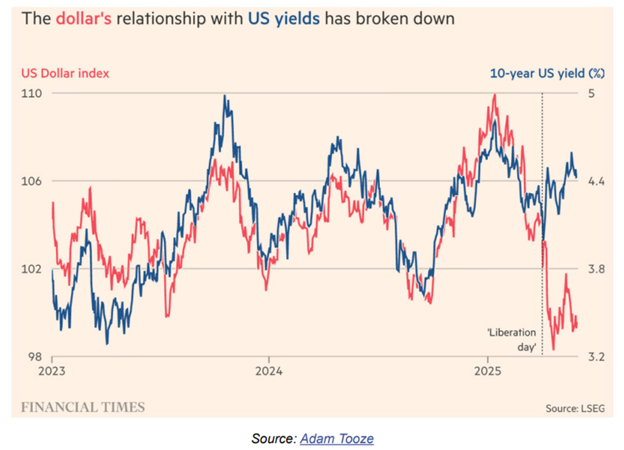
Which brings us back to the conundrum of today’s trading. The risk off trade or flight-to-safety as it is sometimes called pretty much played out today as expected, with the exception of treasuries where the associated yields actually rose slightly. Yields rise when investors sell bonds. So, the flight to safety into treasuries didn’t happen as we would expect.
This is something we have been watching over the last couple of months. We have actually seen the US dollar and the 10-year yield diverge.
And this week, there were three treasury auctions for a total of about $115 billion dollars. They were spread over Tuesday, Wednesday and Thursday between 3-year, 10-year and 30-year bonds. And demand was fairly high especially compared to the previous auction, with yields actually coming down slightly. So that may have had some effect on the market action today, but this is a situation we are keeping a close eye on. As the reconciliation bill makes it way through Congress, investors may be less willing to take on the risk of the historic “risk-free” asset.
The opinions voiced in this material are for general information only and are not intended to provide specific advice or recommendations for any individual. All performance referenced is historical and is no guarantee of future results. All indices are unmanaged and may not be invested into directly.
The economic forecasts set forth in this material may not develop as predicted and there can be no guarantee that strategies promoted will be successful.